Indra Group at InnoTrans 2026: driving a more digital, open and intelligent rail sector
Indra Group is showcasing at InnoTrans 2026 a comprehensive offering that covers the entire railway transport value chain
6 reading time
The transition towards more sustainable mobility necessarily requires a railway system that is more efficient, safer, interoperable and digitalised. In this context, InnoTrans 2026, the world's leading railway industry trade fair, taking place in Berlin (Germany) in September, has become the benchmark showcase for technologies that are shaping the next generation of railway infrastructure and operations.
Indra Group which has been driving railway modernisation for more than two decades, has presented in Berlin a comprehensive offering that covers the entire railway transport value chain, from signalling and traffic management to intelligent asset monitoring, military mobility and the passenger experience.
Open Digital Signalling: the evolution towards open and interoperable signalling
One of the main highlights of Indra’s presence at InnoTrans was its Open Digital Signalling proposal, a new generation of railway signalling based on open architectures, European standards and interoperability.
Open digital signalling has emerged in response to a growing need within the sector: reducing dependence on proprietary environments and facilitating the integration of technologies from different manufacturers. To achieve this, Indra is committed to an architecture aligned with the requirements of the European railway infrastructure managers’ initiative EULYNX and the specifications of ETCS (European Train Control System), which promotes interoperability through standardised interfaces, facilitates the integration of systems from different suppliers and enables the progressive evolution of infrastructure.
This approach delivers significant benefits for infrastructure managers and railway operators. It enables the gradual modernisation of networks, supports coexistence with legacy systems, including existing analogue systems, while incorporating third-party applications without reliance on proprietary environments, enhances technological evolution capability and reduces operating and maintenance costs. In addition, it incorporates cybersecurity by design and facilitates the creation of a truly digital railway ecosystem.
InMova Rail: intelligent management to optimise the entire railway operation
The second major pillar of Indra Group’s offering at InnoTrans is InMova Rail, its advanced railway traffic management platform (TMS), designed to optimise the entire railway operations lifecycle.
The solution integrates planning, simulation, execution and operational supervision capabilities into a single platform. Thanks to its open and vendor-agnostic architecture, it can coordinate infrastructure, signalling systems and operations regardless of the technology provider behind them.
One of its key differentiators is the concept of control through rescheduling, which uses advanced algorithms to anticipate incidents, resolve conflicts automatically and adjust operations in real time. This capability improves punctuality, increases network capacity utilisation and reduces operating costs.
The new TMS 3.0 version, unveiled at InnoTrans, also incorporates cloud and microservices architectures, enabling new railway management and safety capabilities to be deployed progressively, flexibly and securely, while maintaining the highest levels of railway safety. Indra’s experience in countries such as Spain, Saudi Arabia, Lithuania and Estonia demonstrates the maturity of a technology that already manages thousands of kilometres of railway network and millions of passengers every year in a safe, efficient and digitalised way.
IRG: the intelligent railway gate that transforms data into knowledge
Railway digitalisation also requires visibility into what is happening across infrastructure and on the trains operating on it. To address this need, Indra is also showcasing its IRG (Intelligent Railway Gate) solution at InnoTrans.
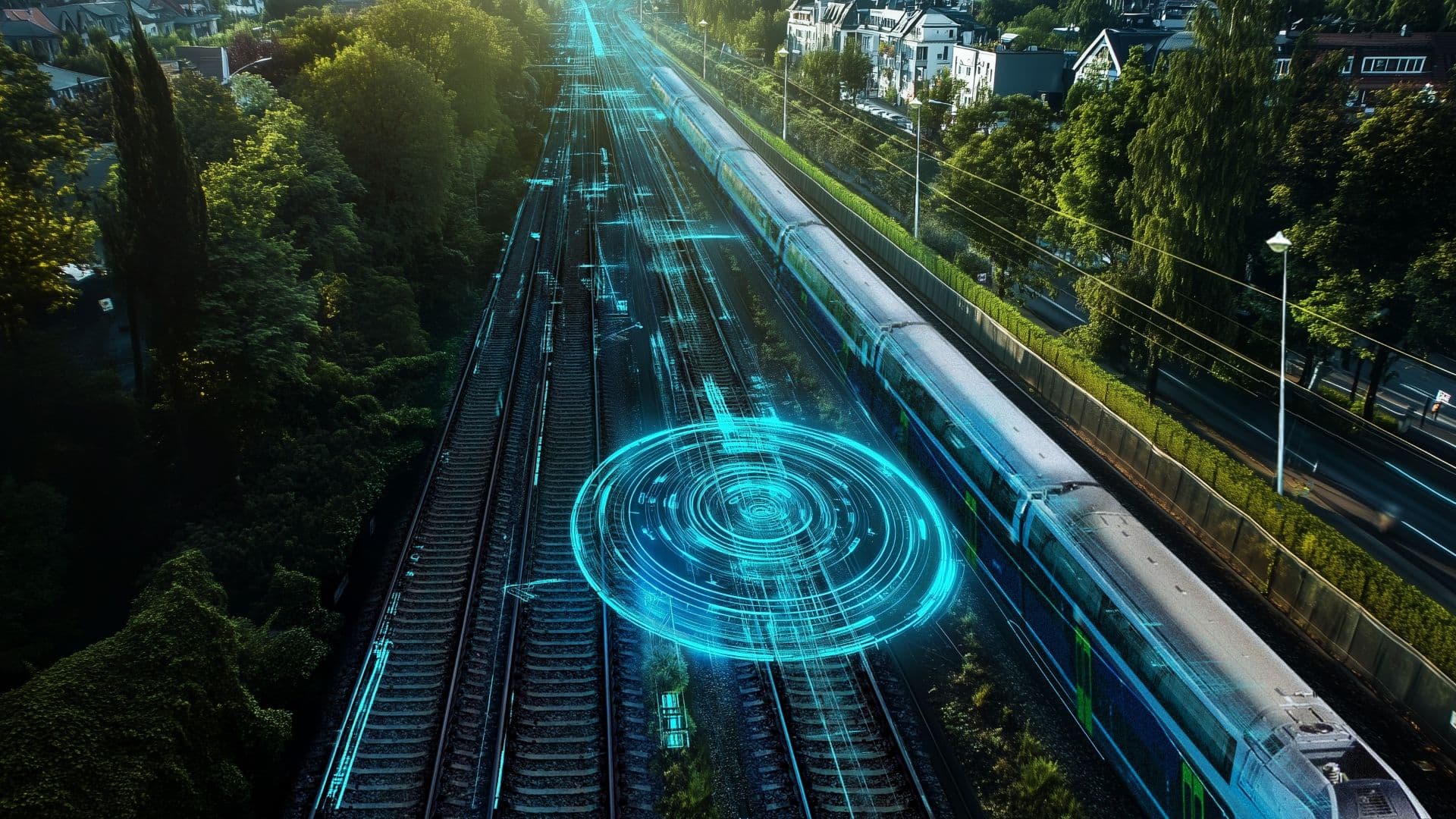
This intelligent portal is equipped with cameras, IoT sensors and artificial intelligence capable of capturing, fusing and analysing train and freight data in real time.
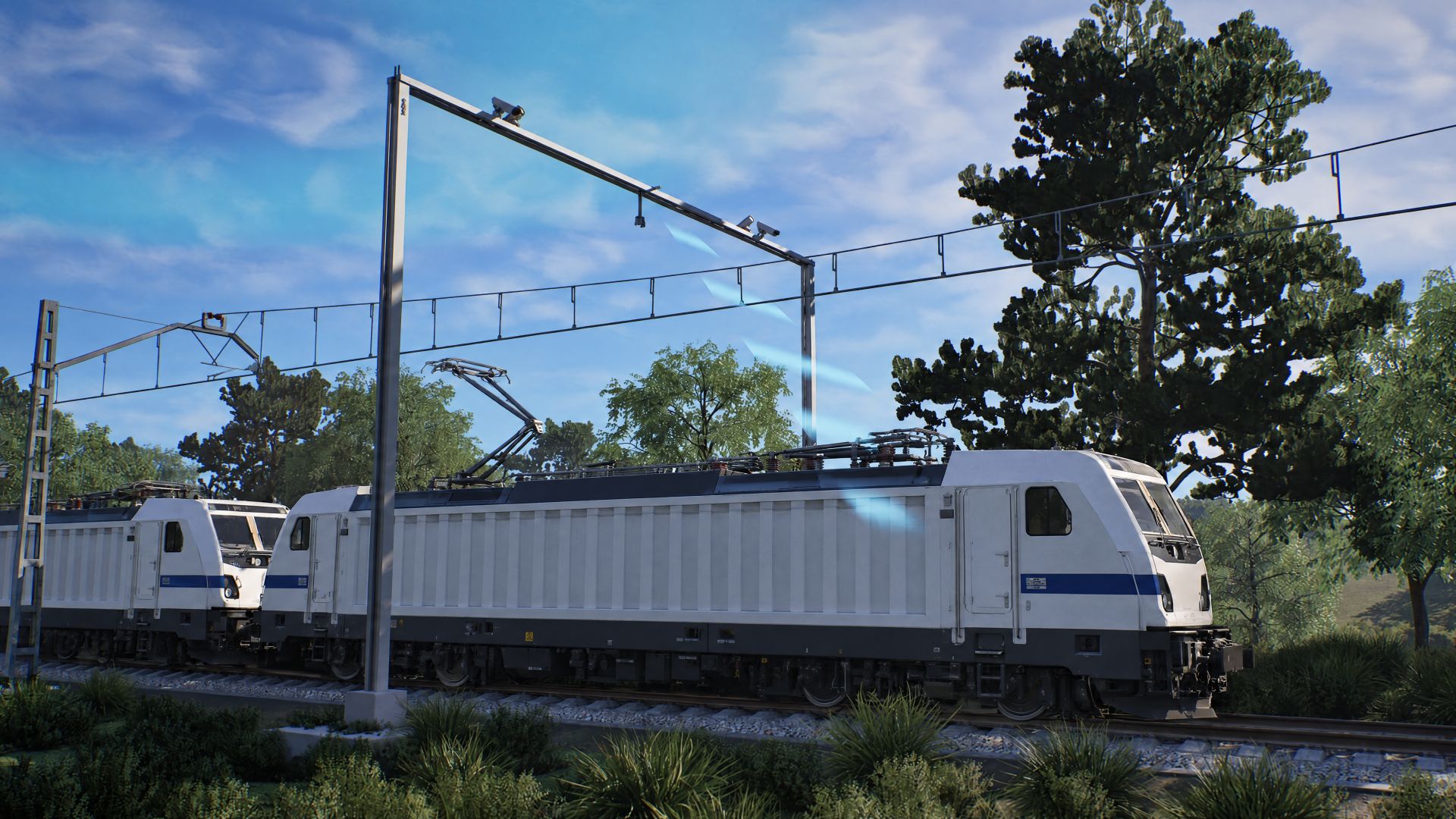
Its capabilities include the automatic identification of wagons and containers, the detection of hazardous goods, monitoring of rolling stock condition and the identification of incidents such as overheating, defects or load anomalies.
All this information is integrated into a unified operations and control platform that supports decision-making, improves safety and optimises predictive maintenance and logistics management processes. IRG exemplifies how artificial intelligence and advanced data analytics are transforming railway monitoring towards more automated and proactive models.
Ticketing Vending Machine: a new passenger experience
Railway innovation is not limited to operations. It also has a direct impact on the passenger experience. For this reason, Indra is showcasing in Berlin a new generation of Ticketing Vending Machines (TVMs), designed to simplify access to public transport and improve user interaction.
These ticket sales and top-up machines form part of Indra Group’s digital ticketing and mobility ecosystem and are prepared to operate in multimodal environments and support new payment methods.
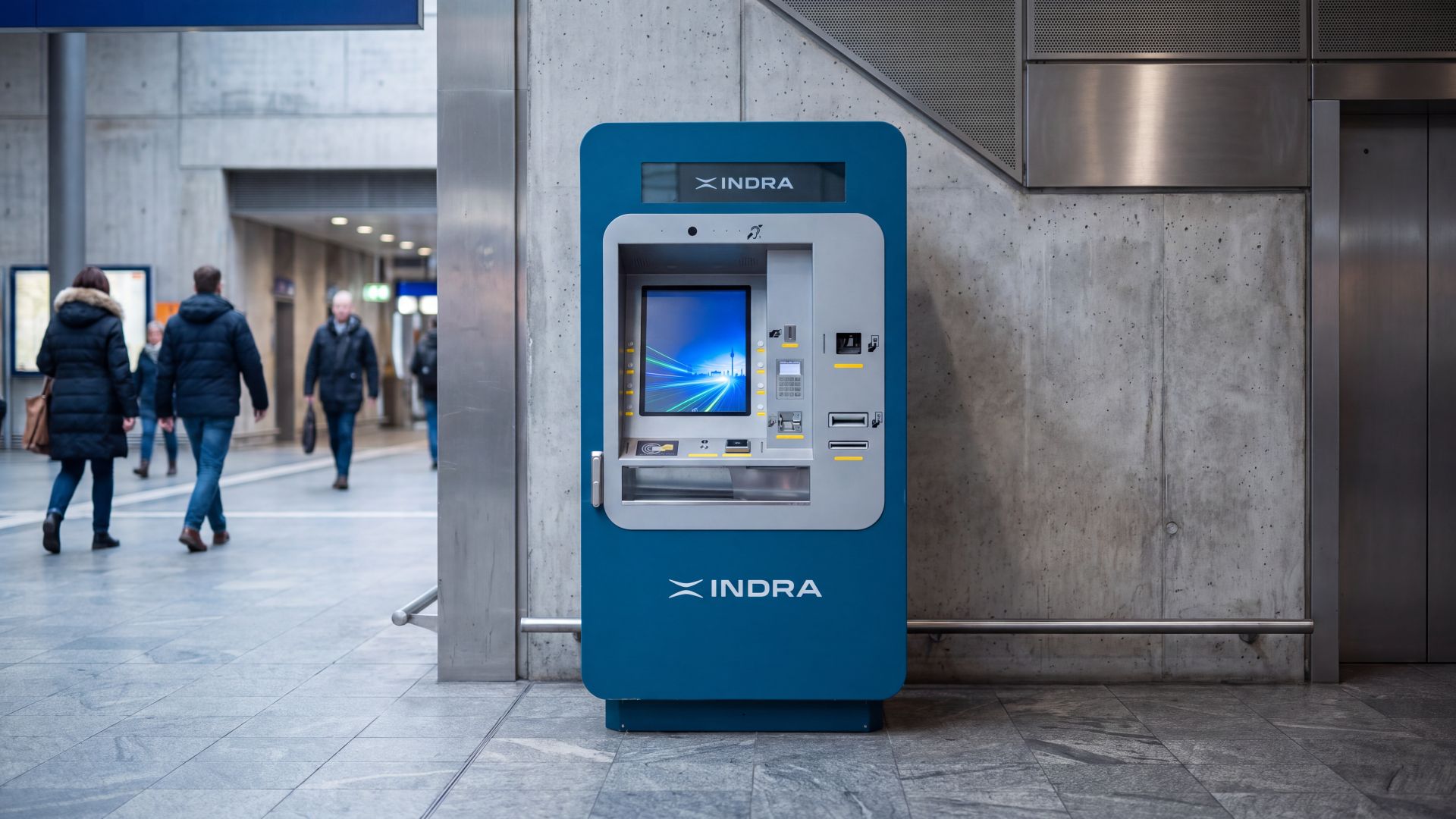
Their design aims to deliver more intuitive, faster and accessible processes, integrated with Open Payment, ABT and MaaS ecosystems, enabling a smoother and more personalised travel experience.
With more than three decades of experience in this sector, Indra Group’s Ticketing solutions operate in more than 100 cities worldwide and process over 110 million transactions every day.
Military Mobility: digitalisation for more efficient and secure strategic mobility
The growing need to strengthen Europe’s logistics capabilities has placed Military Mobility among the priorities of European institutions. In this area, rail plays a key role by enabling the rapid and secure transport of personnel, equipment and strategic materials.
Indra Group’s vision for this segment is based on technologies already proven in civil railway management: infrastructure digitalisation, real-time monitoring, advanced traffic management, interoperability between networks and optimisation of available capacity. These capabilities improve the planning and coordination of complex movements, increasing the resilience and availability of strategic railway corridors.
In this regard, Indra’s Military Mobility solution promotes more agile, secure and interoperable cross-border mobility, facilitating coordination between countries and the integration of critical transport infrastructure, while accelerating the deployment of personnel and resources in multinational missions and strengthening Europe’s responsiveness and strategic autonomy.
The combination of open digital signalling solutions, next-generation TMS systems and intelligent monitoring platforms provides a solid technological foundation to address the dual mobility challenges, both civil and military, currently facing Europe.
A complete railway ecosystem to meet future challenges
Indra Group’s proposal at InnoTrans 2026 reflects a comprehensive vision of the railway of the future. From open signalling and intelligent railway traffic management to advanced asset monitoring and new digital experiences for passengers, all solutions share a common goal: increasing the safety, efficiency and sustainability of rail transport.
With technologies already deployed in multiple countries and a strong commitment to open standards, automation and data intelligence, Indra continues to drive the evolution towards a railway mobility system that is more digital, connected, interoperable, secure and ready to meet the challenges of the decades ahead.
Open digital signalling has emerged in response to a growing need within the sector: reducing dependence on proprietary environments and facilitating the integration of technologies from different manufacturers.