Connected vehicle-based tolling: welcome to the future
V2X tolling technology will be integrated into the connected vehicle, meaning that users will have a direct payment option through their car
5 reading time

The connected vehicle offers significant advantages in terms of safety—such as the sharing of alerts on road conditions— and efficiency, by improving the automation of processes such as toll payments.
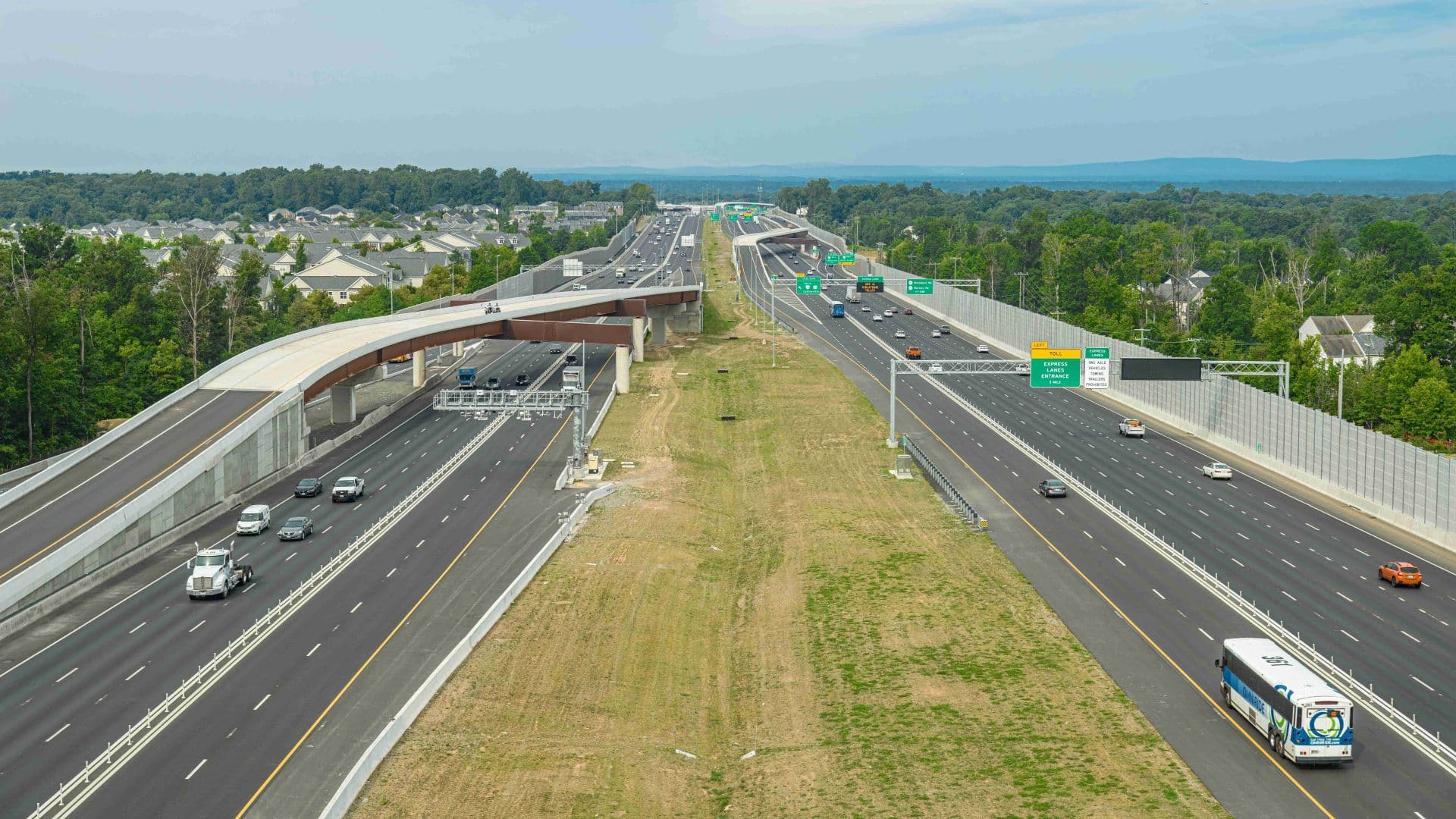
Today, toll agencies and operators rely on traditional electronic methods such as TAGs (electronic toll collection transponders) or licence plate recognition to gather information for toll payments. Processing and managing these transactions is complex, as it requires extensive roadside infrastructure, including classification devices, cameras, and equipment to detect, identify, classify, and record each operation.
In addition, registered users and drivers must acquire a device, while operators are required to manage customer accounts, inventories and ongoing maintenance of the equipment to ensure toll payments are processed smoothly and efficiently. Despite this investment, unregistered customers —those without accounts or toll TAGs—continue to represent a significant cost for operators due to image review, invoicing, and debt collection processes.
Do toll operators and users simply have to accept this situation? The answer is no. The advent of the connected vehicle makes it possible to address this long-standing challenge. Welcome to the tolling systems of the future.
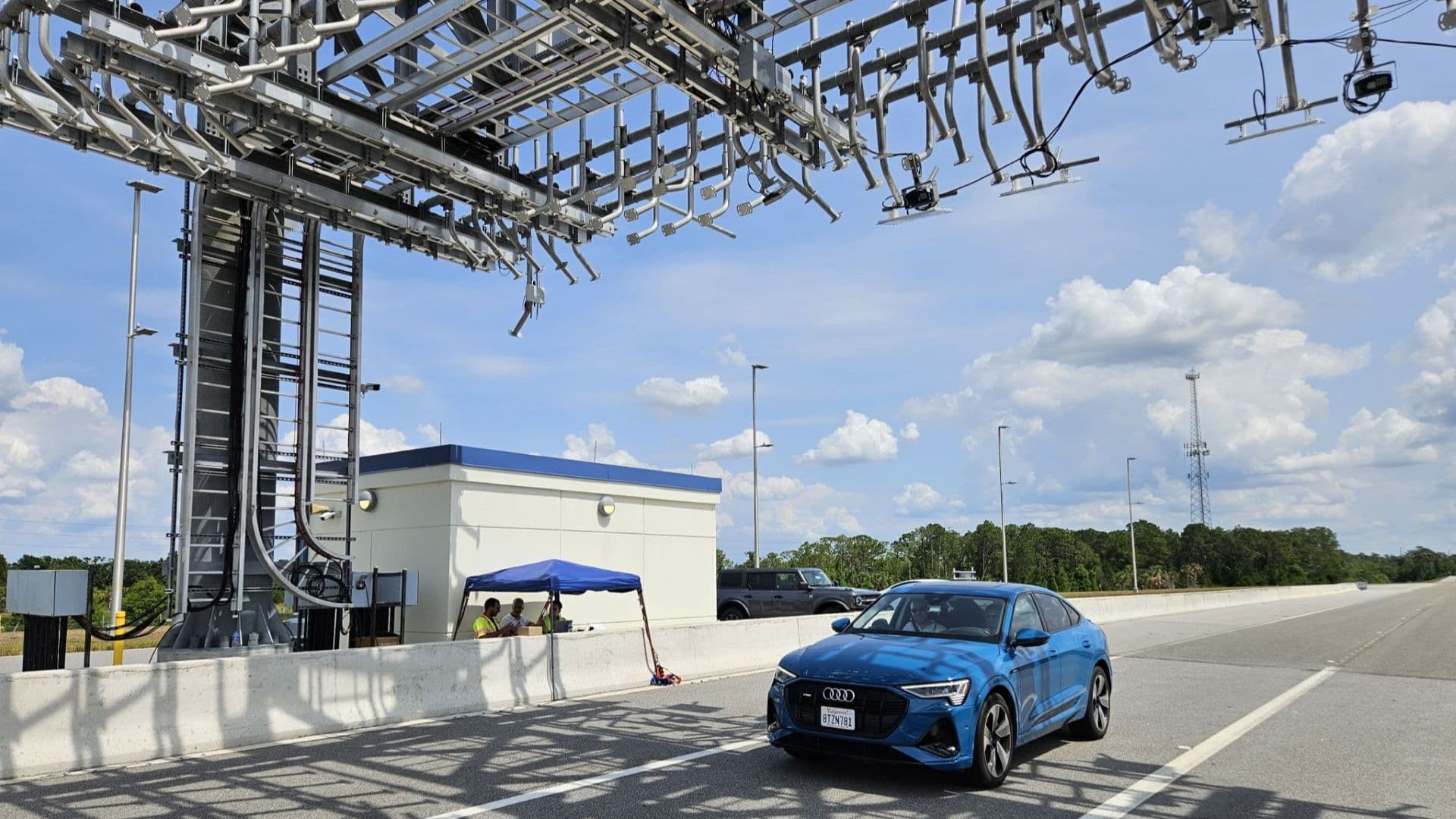
Recently, Audi, Indra, Cohda Wireless, and Microsec presented a V2X Tolling and Safety demonstration at the conference 'Advancing Connected Mobility in California: C‑V2X and Connected Vehicle Infrastructure', held on 5 February 2026 in Sacramento, the capital of the State of California. The event was organised by the 5G Automotive Association (5GAA) and hosted by the California Department of Transportation (Caltrans).

The conference brought together vehicle manufacturers, policymakers, and mobility leaders —including members of the 5G Automotive Association (5GAA)— to analyse the impact of C‑V2X technology on the future of tolling and road safety in the United States.
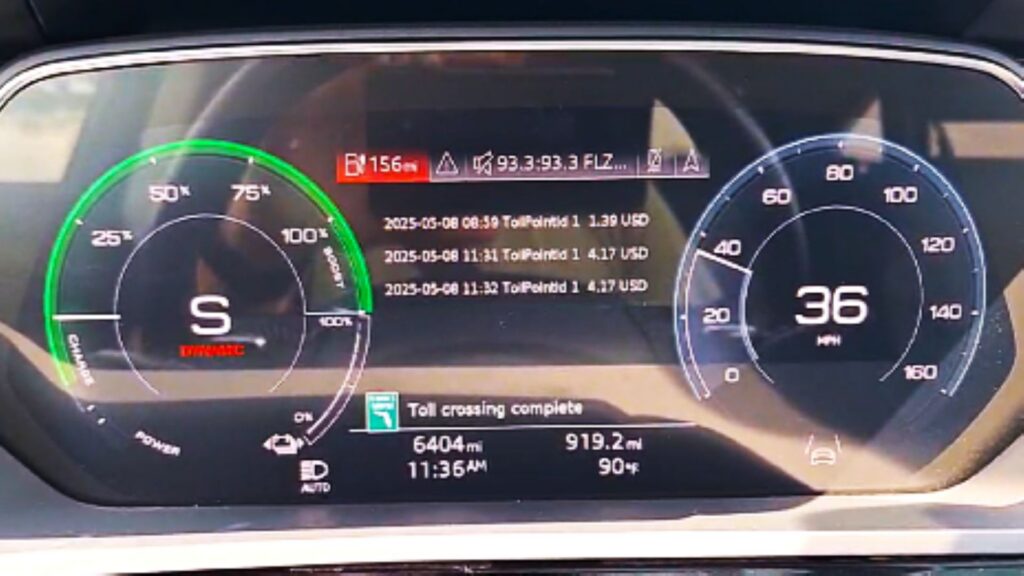
Among the various V2X tolling demonstrations, Indra, Audi, and Cohda Wireless, together with their project partners, stood out by delivering a live demonstration that clearly showcased the proven capability of connected vehicle technology to simultaneously improve toll collection and enhance road safety. During the demonstration, Audi vehicles displayed both tolling and safety information based on C‑V2X directly on their instrument clusters (the display located behind the steering wheel), offering a practical view of how drivers interact with this advanced technology.
What is C‑V2X technology?
C‑V2X, which stands for Cellular Vehicle‑to‑Everything, is a wireless communication technology that enables vehicles to connect and communicate with their entire environment using both direct communication and cellular networks (4G/5G). This allows vehicles not only to communicate with each other, but also with roadside infrastructure, road‑side devices and other elements of the surrounding environment. Thanks to this connectivity, interaction between the vehicle and its environment is enhanced, enabling the instant and secure transmission of relevant information.
In the field of tolling, a specific standard has been developed in the United States (J3217) which, based on C‑V2X technology, enables the exchange of tolling information between vehicles and infrastructure.
The foundations of this V2X-based tolling solution have been developed by Indra, where it has been established that integrating V2X into Electronic Toll Collection (ETC) systems will deliver significant economic benefits for both drivers and operators. In practice, V2X tolling will function as an evolution of today’s transponder- or RFID TAG-based systems, as the payment technology is integrated directly into the vehicle’s onboard systems. This combines a seamless user experience with an additional method for efficient, secure, and comprehensive customer identification and payment processing for operators.
This new technology will help operators reduce the cost of user identification. Drivers will be identified through the V2X tolling technology embedded in their vehicles, enabling the exchange of what are traditionally considered ‘ETC data’, such as vehicle classification and licence plate information. As V2X tolling technology is integrated into connected vehicles, road users will also benefit from a direct payment option through their vehicle brand. In addition, vehicles will receive toll notifications directly on the dashboard, enabling automatic, stop‑free transactions.
C‑V2X technology opens the door to eliminating interoperability issues between payment devices and streamlining toll transactions on motorways, as vehicles effectively become digital wallets capable of managing toll payments, parking fees and other related services.
“Cars will become drivers’ wallets and will be used to pay for everything from tolls and road usage charges to parking and other consumer services,” says Raúl Ripio, Managing Director of Mobility & Technology at Indra.
Demonstrating a new V2X-based tolling model
The demonstration held in Sacramento provided a comprehensive vision of the future of tolling and safety in connected vehicles to an audience made up of toll agencies and automotive manufacturers.
The event showed how the V2X Tolling and Safety solution enables both toll transactions and immediate safety alerts to be delivered to drivers through a unified platform.
It is worth noting that this demonstration was based on the first real deployment in the United States of Indra’s V2X tolling and safety solution, carried out with the North Carolina Turnpike Authority (NCTA) in December 2025. It also built on previous collaborations between Indra, Audi, and Qualcomm with Florida’s Turnpike Enterprise (FTE) during the OmniAir PlugFest in May 2025, where V2X tolling was integrated and evaluated alongside traditional tolling technologies.

In addition to the live demonstration, the event featured a V2X workshop in which tolling experts, vehicle manufacturers and other stakeholders discussed current opportunities for V2X tolling and the transition towards its large‑scale adoption. Indra and Audi, as leaders of the demonstrations, also moderated several workshop sessions, helping to define the first steps towards broader implementation of this technology.
Both the demonstration and the associated workshops highlighted how real‑time communication between vehicles and infrastructure can optimise toll collection, reduce reliance on roadside equipment, lower operational costs and significantly improve road safety and the overall efficiency of tolling systems.
Cars will become drivers’ wallets and will be used to pay for everything from tolls and road usage charges to parking and other consumer services,” notes Raúl Ripio, Managing Director of Mobility & Technology at Indra.
Recommended for you
Related Articles

Indra at Global Mobility Call 2026: Technology as a transformative force in Mobility


Open Digital Signalling: breaking down barriers between European railway systems

The current challenge in rail traffic management

Managed lanes: how dynamic pricing helps decongest motorways