Managed lanes: how dynamic pricing helps decongest motorways
The goal is to prevent the managed lane from exceeding its critical capacity
5 reading time

What are managed lanes? Traffic congestion is one of the major mobility challenges of our time. In key metropolitan corridors, traffic causes delays, increases pollution, heightens driver stress, and reduces cities’ economic competitiveness.
However, expanding infrastructure is not always feasible. Land availability is limited, construction is costly, and timelines are long. In this context, the concept of managed lanes emerges—an advanced way of managing motorway lanes to optimise existing capacity through technology and dynamic pricing.
From traditional lanes to managed lanes
Managed lanes originated in the United States as a response to severe congestion. The Federal Highway Administration (FHWA)—a division of the U.S. Department of Transportation responsible for overseeing the construction, maintenance, and preservation of roads, bridges, and tunnels—defines them as infrastructures or sets of lanes where operational strategies are proactively implemented and managed in real time, based on changing traffic conditions.
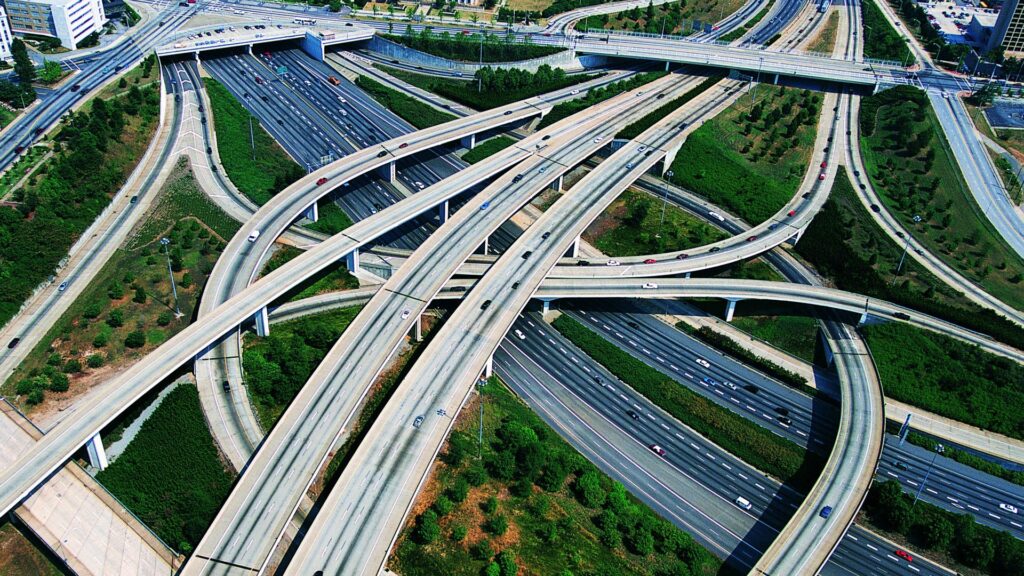
In practice, this management may include measures such as restricting access to certain vehicles, regulating minimum occupancy, or applying variable tolls according to demand. The goal is to maintain a stable flow and prevent lane collapse.
The logic is simple: if general traffic is saturated, a managed space is enabled to guarantee speed and reliability for those who need it—such as public transport, high-occupancy vehicles, or drivers willing to pay for a more predictable journey—while balancing the overall corridor.
Many international experiences classify them under congestion pricing policies, where price acts as a demand management tool to maintain optimal service conditions.
Impact: efficiency, sustainability, and reliability
Evidence from express lane and managed lane projects shows these strategies improve overall corridor reliability and help contain congestion, especially during peak hours. The reason is that variable pricing prevents the managed lane from exceeding its critical capacity: when demand rises, the price increases; when demand falls, it decreases. This maintains operating speed and eliminates the classic bottleneck effect that blocks the motorway.
Additionally, these solutions promote more sustainable mobility. By reducing stop-and-go times, they lower energy consumption and emissions, and create incentives for car-sharing or public transport use when the lane model allows.
Technology that makes it possible
Managed lanes rely on intensive technology use to monitor road behaviour in real time and act accordingly. This requires a combination of sensors, control platforms, and pricing systems capable of reacting minute by minute.
Typical components include:
- Automatic occupant detection systems to monitor vehicle occupancy and enforce access policies, such as occupancy-based tariffs or exemptions in certain scenarios.
- Traffic sensors such as radars, cameras, or antennas to detect traffic conditions.
- Platforms to monitor and control sensors and signage panels.
- Back-office environments that calculate dynamic pricing and manage payment.
- Free-flow gantries with technologies like LiDAR and cameras to classify vehicles, identify categories or occupancy, and apply corresponding tariffs without requiring drivers to slow down.
- Automatic occupant detection systems to monitor vehicle occupancy and enforce access policies, such as occupancy-based tariffs or exemptions in certain scenarios.
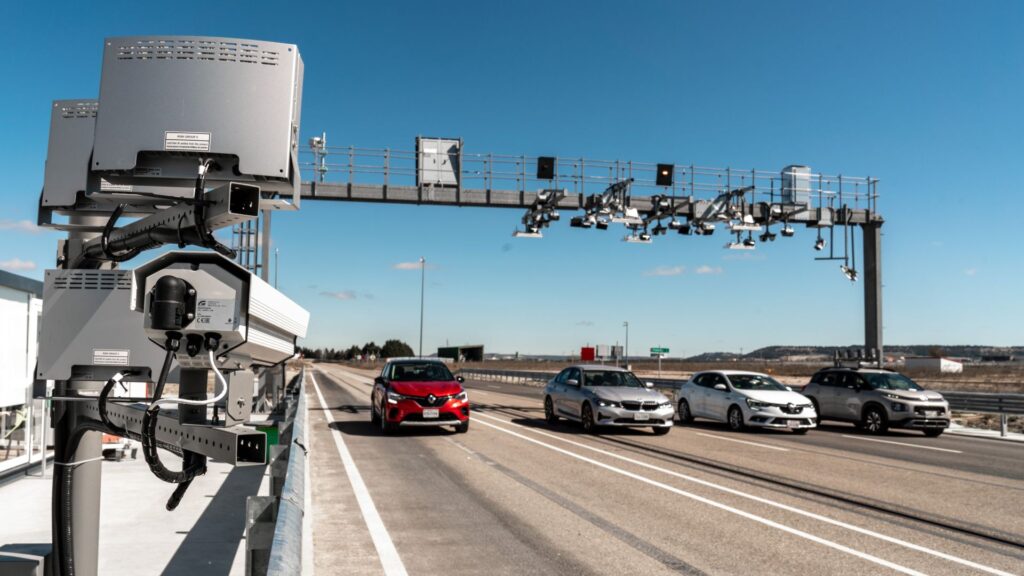
Cutting-edge technologies are being added: artificial intelligence and deep learning for more accurate detection and classification, distributed IoT sensors, edge processing for low-latency data handling near the roadway, cloud computing for large-scale analysis, and V2X/5G communications to integrate connected and increasingly automated vehicles.
Experience and the shift to proactive management
With over 25 years developing tolling and traffic management systems worldwide, Indra has incorporated these advances into solutions that integrate detection, pricing, monitoring, and user communication. Our toll systems currently manage over 3,300 km of toll roads, and this experience has been applied to managed lane projects where infrastructure is proactively managed to respond to changing traffic conditions, using our most advanced systems:
- In-mova Traffic: Indra’s comprehensive platform for advanced traffic and road infrastructure management. Designed for complex, critical environments, it enables public authorities, concessionaires, and operators to efficiently manage the entire infrastructure lifecycle—from real-time monitoring to decision-making and maintenance.
- DAVAO: market-leading automatic high-occupancy vehicle detection system based on computer vision, enabling real-time occupant identification in all conditions.
- Free-flow tolling with 3D LiDAR technology, combined with AI, redefining toll management with more compact deployments—even without gantries.
- Back Office: integrating technologies such as Big Data, AI, and proprietary algorithms to enable dynamic tariff calculation based on demand elasticity and objectives.
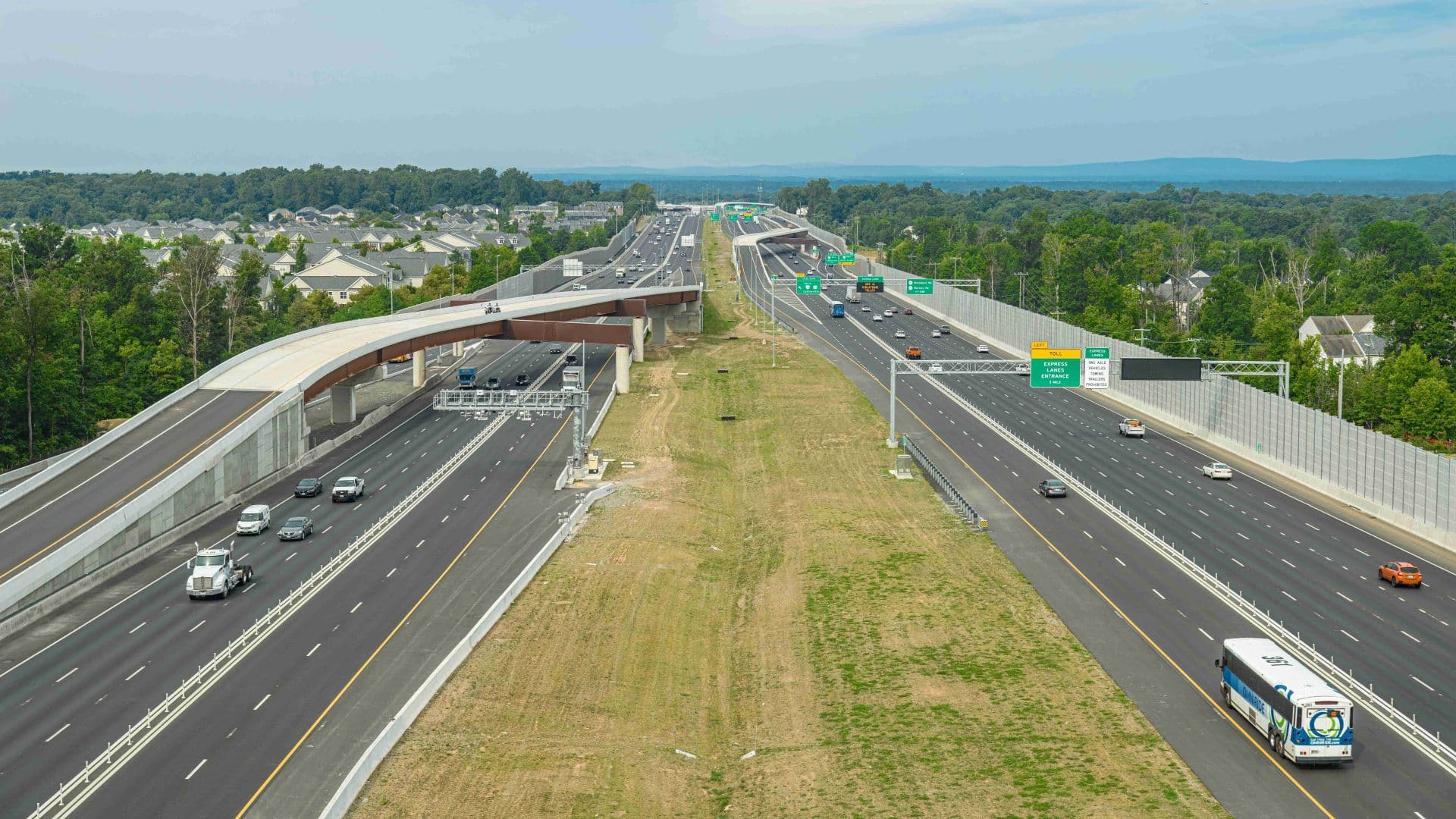
This combination of operational experience, digital platforms, advanced detection, and intelligent pricing is already being applied in real express lane projects in the United States, such as the I-66 corridor in Washington D.C., and new managed lane deployments with dynamic tolling like the SR400 project in Atlanta, aimed at improving corridor flow and efficiency without expanding physical infrastructure.
A lane towards smart mobility
Managed lanes represent a new way of understanding road management as a living system. Instead of static infrastructure, we now have motorways that measure, learn, and adapt in real time. In the coming years, we will see increasingly connected lanes, capable of coordinating with urban control centres, prioritising public transport, and interacting with vehicles that constantly exchange information with the road. The key lies in combining intelligent demand regulation with robust, transparent technology for users.
This way, without building more roads, we can gain effective capacity, reliability, and sustainability. In a world where efficient mobility is a condition for quality of life and competitiveness, these systems open a clear path: smoother mobility today and infrastructure ready for tomorrow.
Managed lanes rely on intensive use of technology to monitor road behaviour in real time and act accordingly. This requires a combination of sensors, control platforms, and pricing systems capable of reacting minute by minute.
Recommended for you
Related Articles
Connected vehicle-based tolling: welcome to the future


Open Digital Signalling: breaking down barriers between European railway systems


Indra at Global Mobility Call 2026: Technology as a transformative force in Mobility

The current challenge in rail traffic management