Indra at Global Mobility Call 2026: Technology as a transformative force in Mobility
Delivering mobility solutions that enhance people’s lives—making everyday journeys simpler, more comfortable and safer
6 reading time

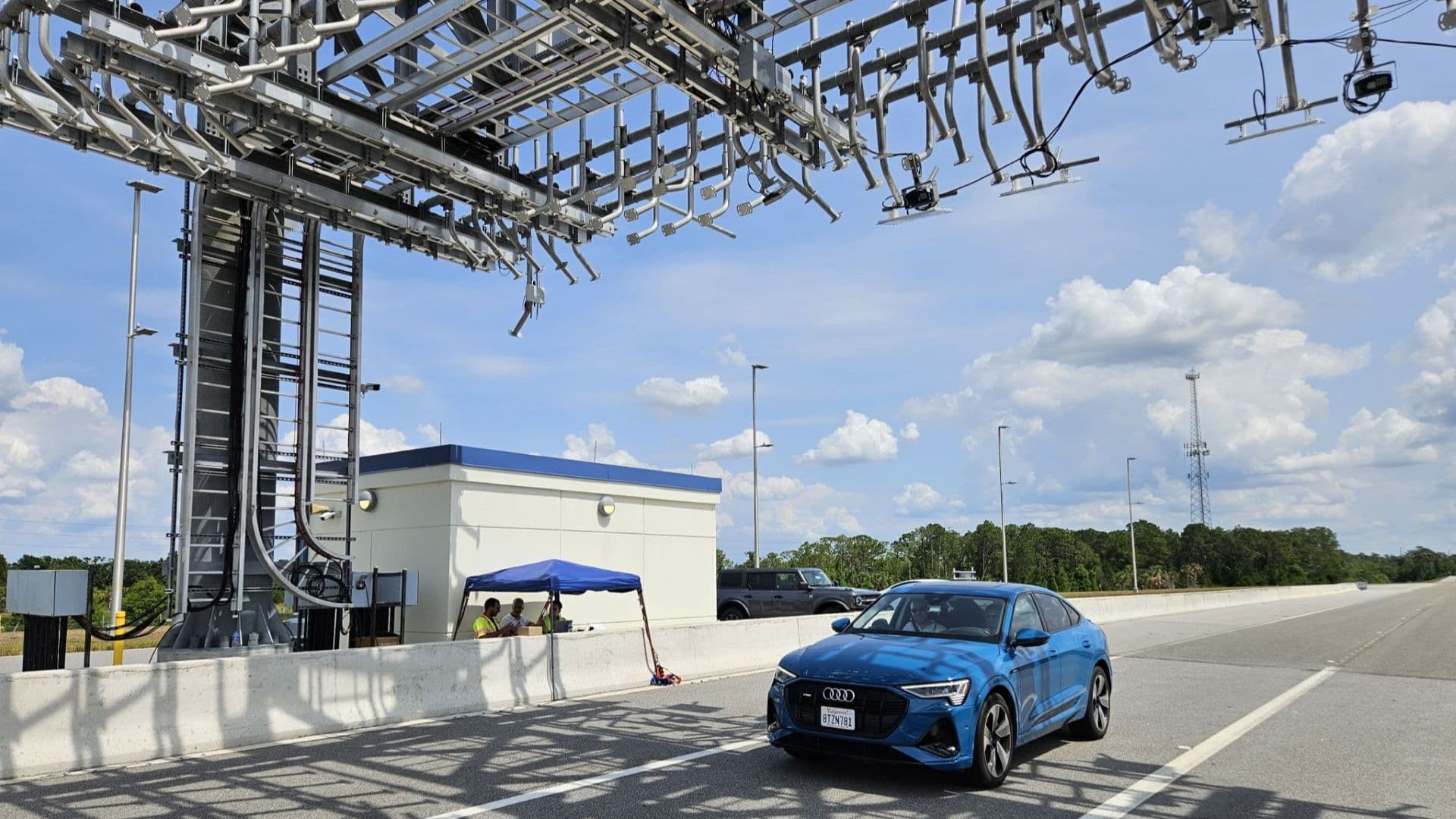
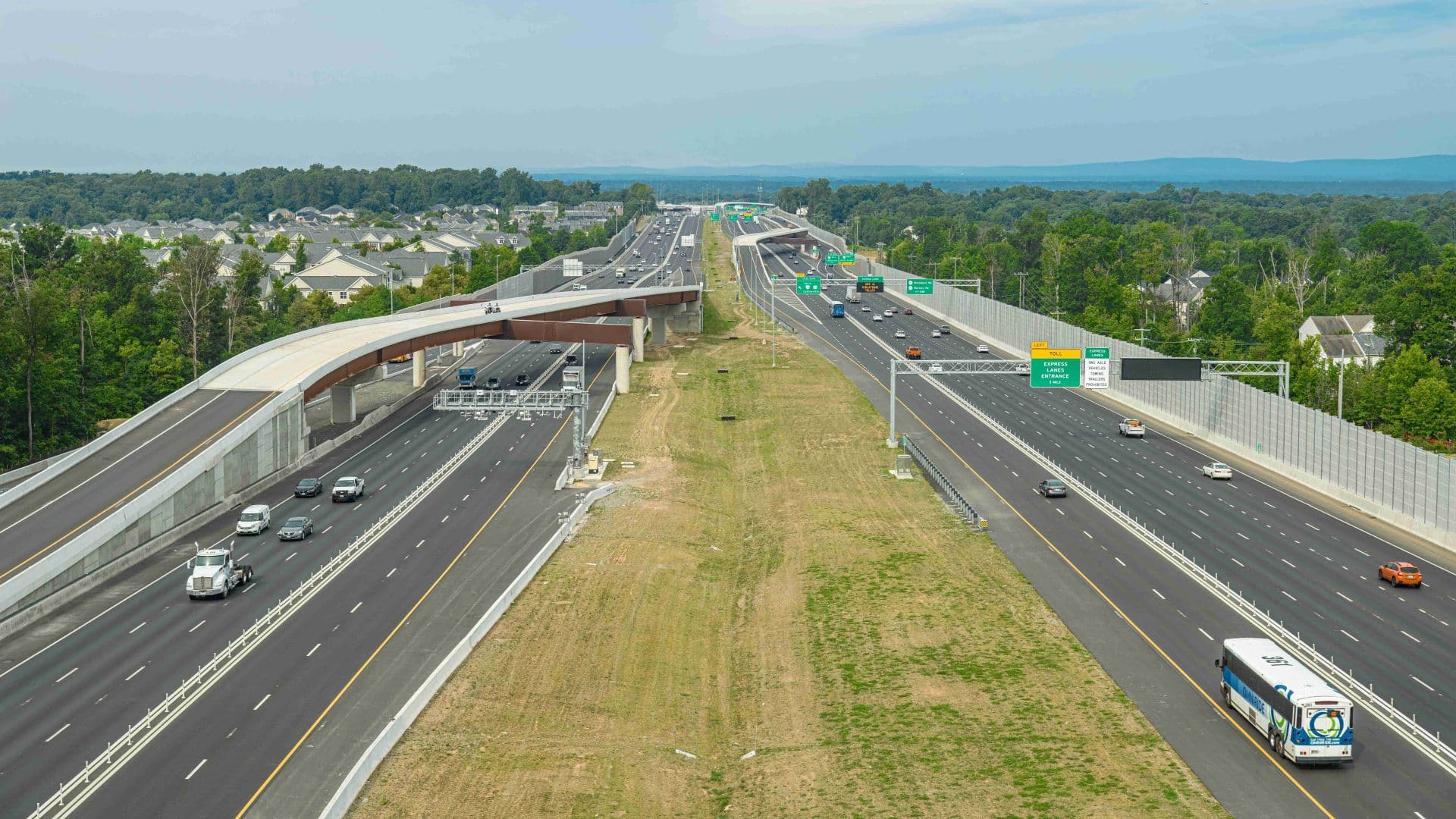
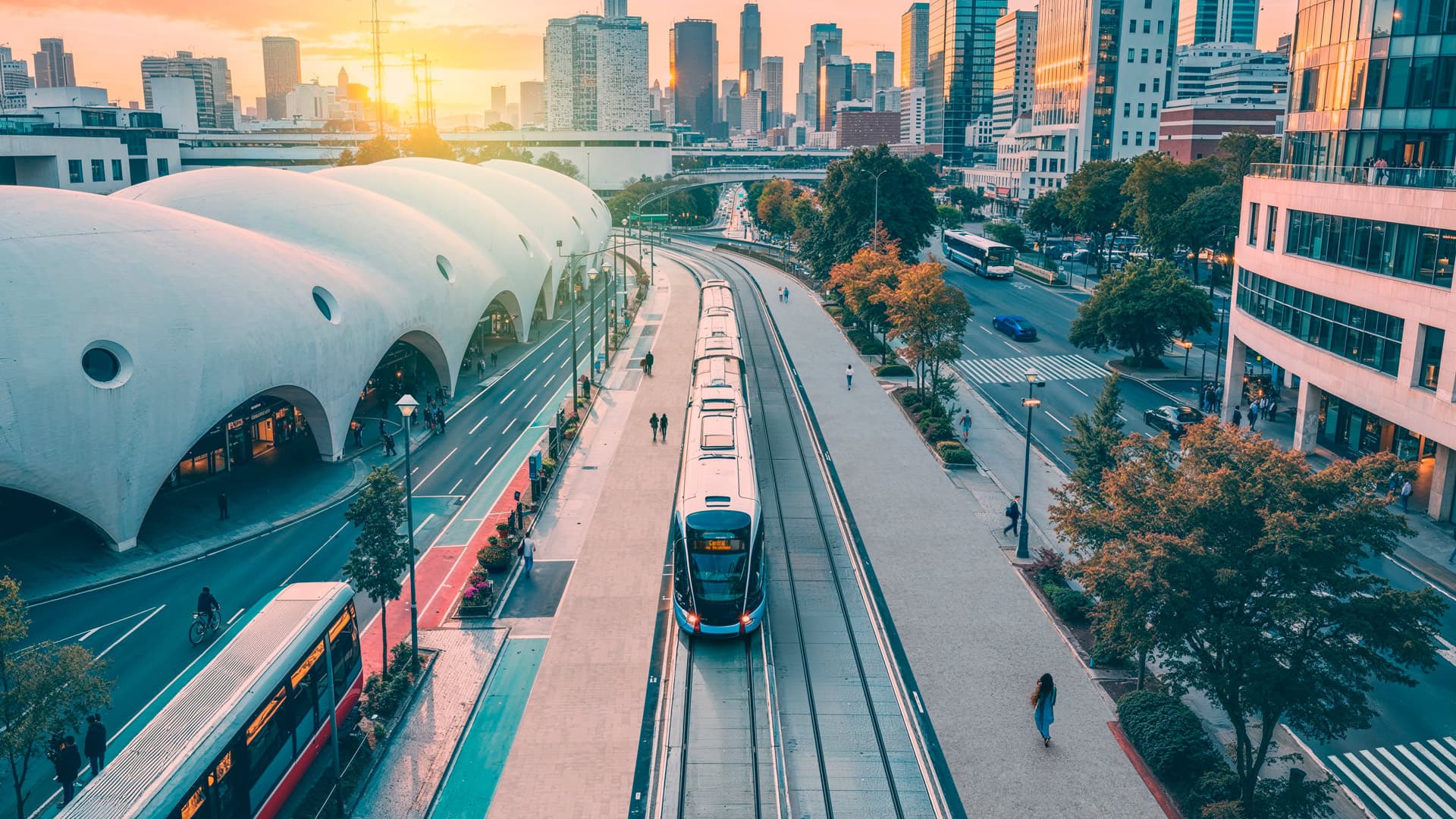
Mobility has become one of the major challenges — but also one of the greatest opportunities — for modern cities. Urban growth, sustainability targets, and the demand for an enhanced travel experience are compelling operators and authorities to evolve their public transport systems.
Indra Mobility will be present at Global Mobility Call 2026, taking place in Madrid (IFEMA) from 9 to 11 June, where it will showcase how technology can drive smarter, more efficient, safer, and people‑centric mobility.
With more than 2,500 projects delivered across 100 cities in over 50 countries, Indra Mobility brings a distinctive end‑to‑end offering based on proprietary technology and deep expertise in the design, planning, management, operation and maintenance of critical mobility services across all modes of transport.
A holistic vision for present and future public transport
Indra Mobility’s approach is rooted in a clear principle: mobility transformation can only be achieved through a comprehensive, integrated vision. Its solutions therefore combine digital platforms, field equipment and onboard technologies within open, scalable and interoperable architectures.
This approach enables operators and authorities to benefit from:
- Enhanced real-time operational control and visibility
- Future-proof systems with minimal hardware replacement
- Continuous improvement of passenger experience
- Interoperability across systems and adaptability to diverse mobility models
At Global Mobility Call 2026, Indra Mobility will present solutions designed to enhance people’s lives by making mobility simpler, more convenient and safer.
CAD/AVL 4.0 Platform: Integrated public transport management
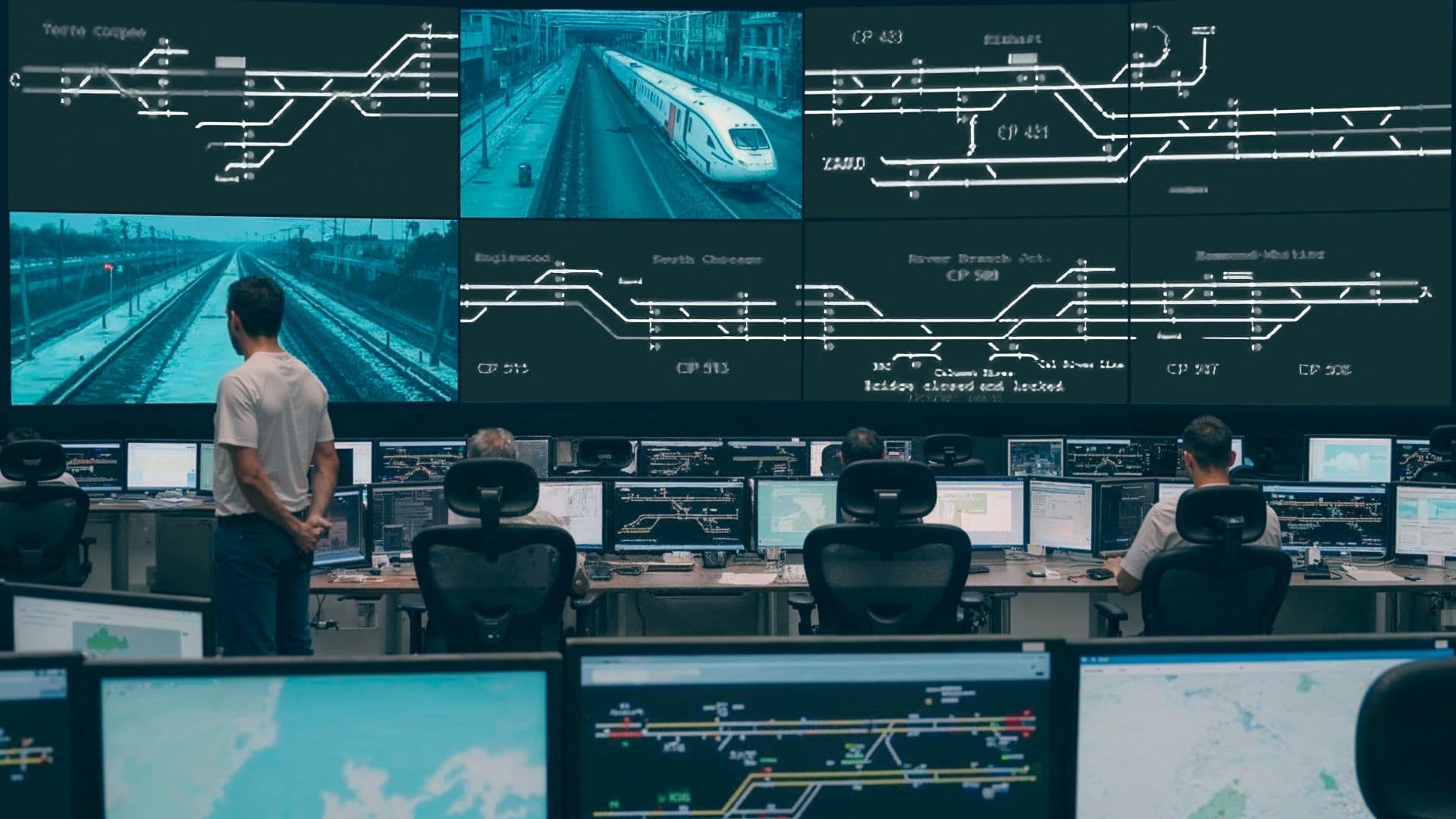
Among the solutions on display, In‑Mova Transit, Indra Mobility’s CAD/AVL 4.0 platform, stands out as a comprehensive system for managing urban and interurban transport.
Designed for multimodal and multi-operator environments, it enables efficient coordination of fleets — including buses, trams and other transport modes — optimising operations and enhancing the passenger journey.
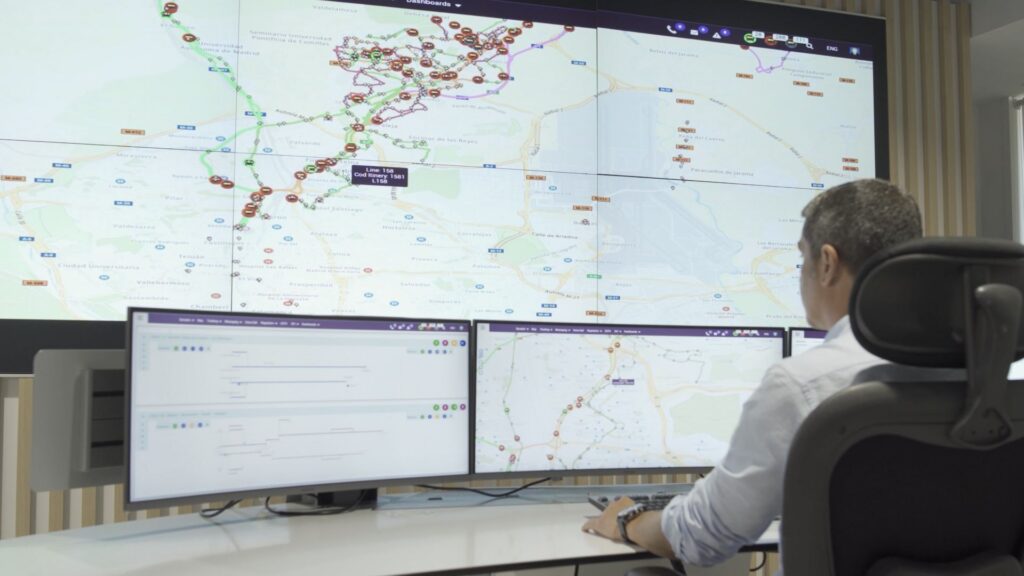
The platform provides real-time monitoring, incident management, service regulation optimisation and accurate passenger information, among other functionalities.
Leveraging technologies such as cloud computing, IoT, Big Data and Artificial Intelligence, the platform transforms data into actionable insights that support decision-making and operational efficiency:
- Predictive analytics and advanced reporting
- Improved punctuality and service quality
- Enhanced safety through video surveillance and emergency management
- Open data publishing and new digital mobility services
Fully aligned with international standards, the platform empowers authorities and operators to tackle current urban mobility challenges while preparing for future demands.
It is already deployed in flagship systems such as Brisbane Metro (Australia), Valencia bus network, Madrid Regional Transport Consortium interurban buses, and Mexico City’s Metrobús.
Smart ticketing: accessibility, security and user experience
Ticketing remains one of the most critical touchpoints in the relationship with passengers. At Global Mobility Call 2026, Indra Mobility will showcase its portfolio of advanced ticketing solutions, designed for complex urban environments and evolving fare policies.
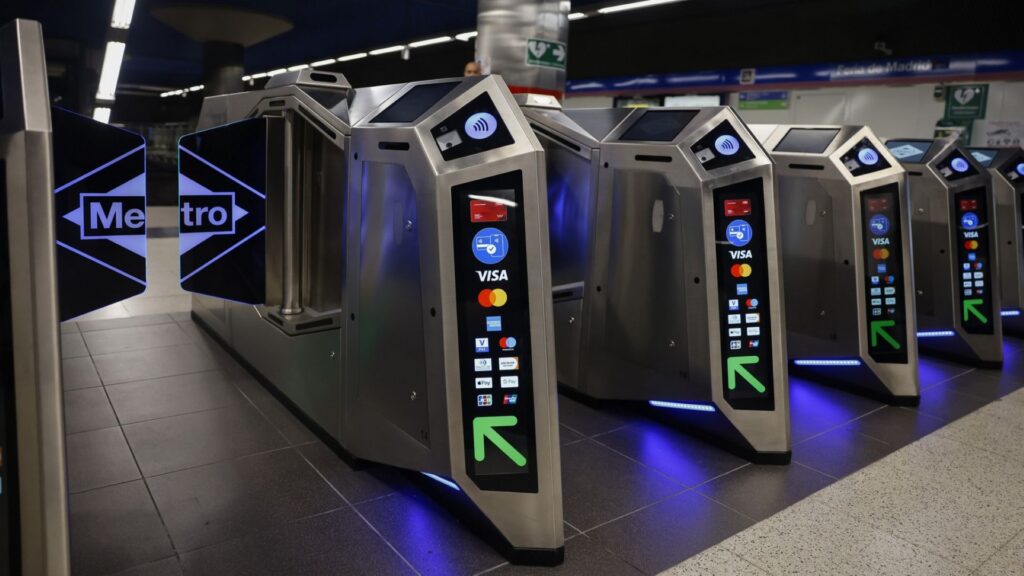
Its Ticket Vending Machines (TVMs) provide advanced capabilities for both operators and users:
- Support for multiple payment methods: cash, EMV, contactless, NFC and QR codes
- Accessible and inclusive designs aligned with international standards
- High levels of transaction security
- Seamless integration with AFC and Pay As You Go models via an open architecture
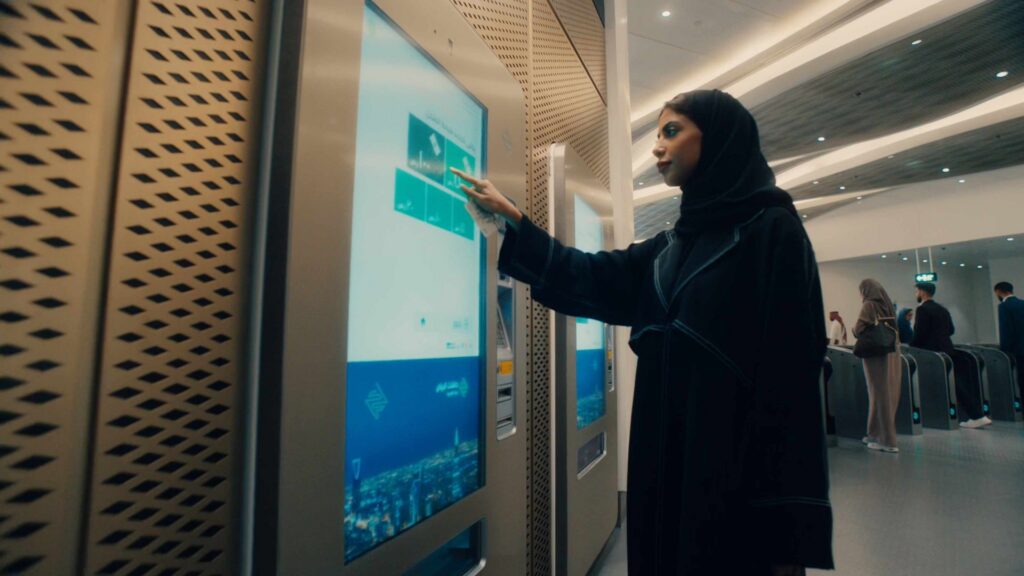
As a natural evolution, Indra Mobility introduces innovative interaction models such as conversational virtual assistants, helping to remove barriers, simplify ticket purchases and enhance the experience for tourists, occasional users and passengers with special needs.
Indra’s TVM systems have been successfully deployed worldwide, including in Madrid Metro, St. Louis Metro, Lisbon Metro, Riyadh, Amsterdam, and Tren Maya (Mexico).
All-in-one for drivers: transforming transport operations
As mobility becomes increasingly connected and digital, the driver’s workstation plays a central role in service delivery.
Indra Mobility’s Multifunction Driver Console addresses this need by integrating all onboard operational functions into a single device. This compact, robust and scalable all‑in‑one solution combines capabilities traditionally distributed across multiple systems: ticketing, CAD/AVL, communications, video surveillance and passenger information.
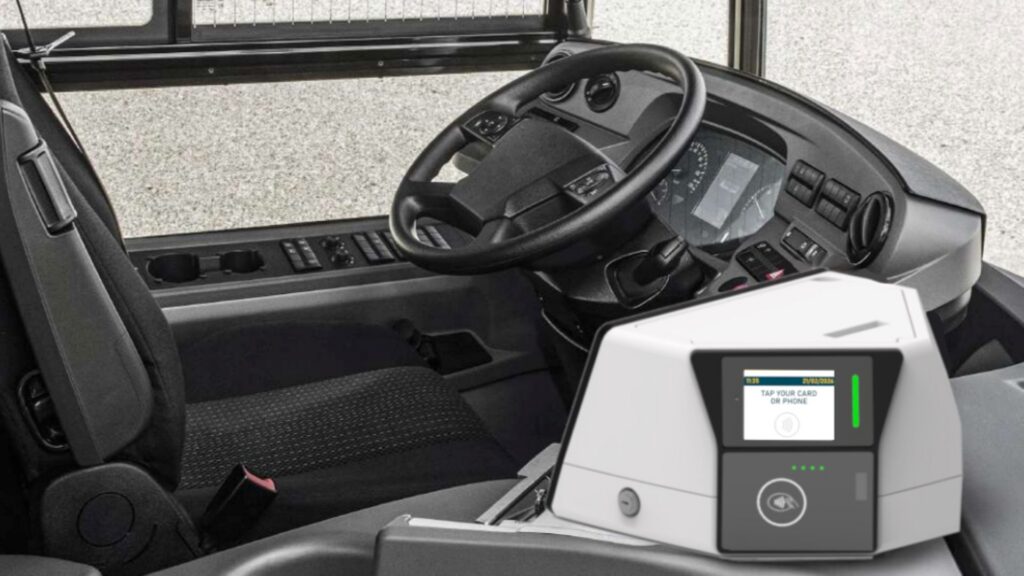
The Multifunctional Console stands out for its modular and modern design, enabling flexible configuration and simplifying maintenance. It incorporates advanced connectivity (4G/5G, Wi‑Fi) and supports comprehensive ticketing management, allowing for the validation and sale of fares via RFID cards, NFC-enabled devices, QR codes and EMV cards, thereby contributing to a smoother travel experience.
Furthermore, it is future-ready, with the capability to integrate emerging technologies such as Bluetooth Low Energy (BLE) and Ultra-Wideband (UWB).
For emergency management, it integrates video surveillance and two-way communication with the control centre, enhancing both safety and operational efficiency.
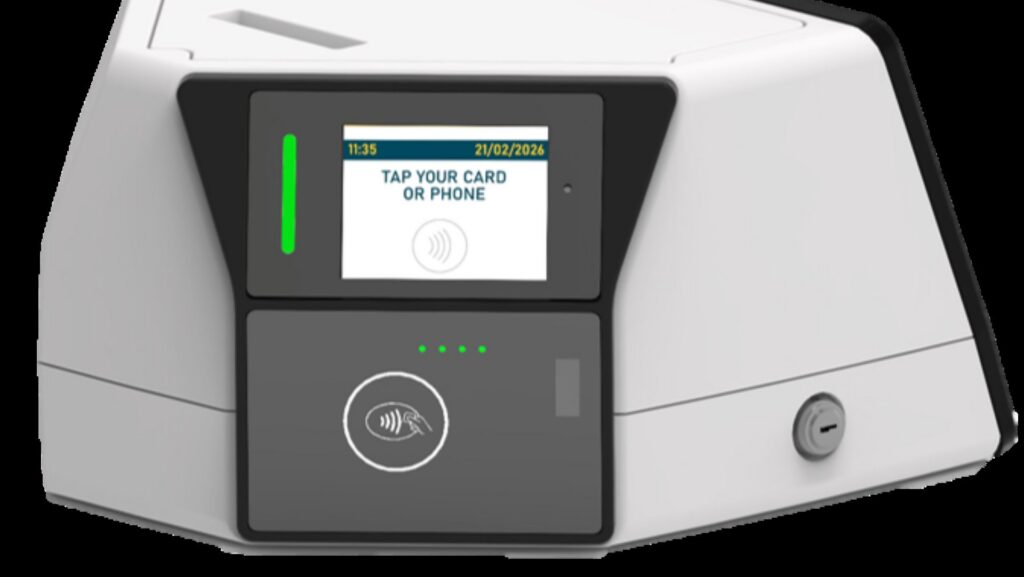
Key features include:
- Modular, modern design for flexible configuration and easy maintenance
- Advanced connectivity (4G/5G, WiFi)
- Full ticketing capabilities, supporting RFID cards, NFC, QR codes and EMV payments
- Readiness for emerging technologies such as Bluetooth Low Energy (BLE) and Ultra-Wideband (UWB)
- Integrated video surveillance and two-way communication with control centres
The solution delivers significant advantages:
- Reduced onboard integration complexity
- Lower installation and maintenance costs
- Improved driver ergonomics
- Greater operational reliability and future scalability
- Enhanced onboard safety control
Ultimately, this onboard solution simplifies operations, optimises maintenance costs and significantly improves both user experience and service performance.
Connected and Autonomous Vehicle Platform: enabling the mobility of tomorrow
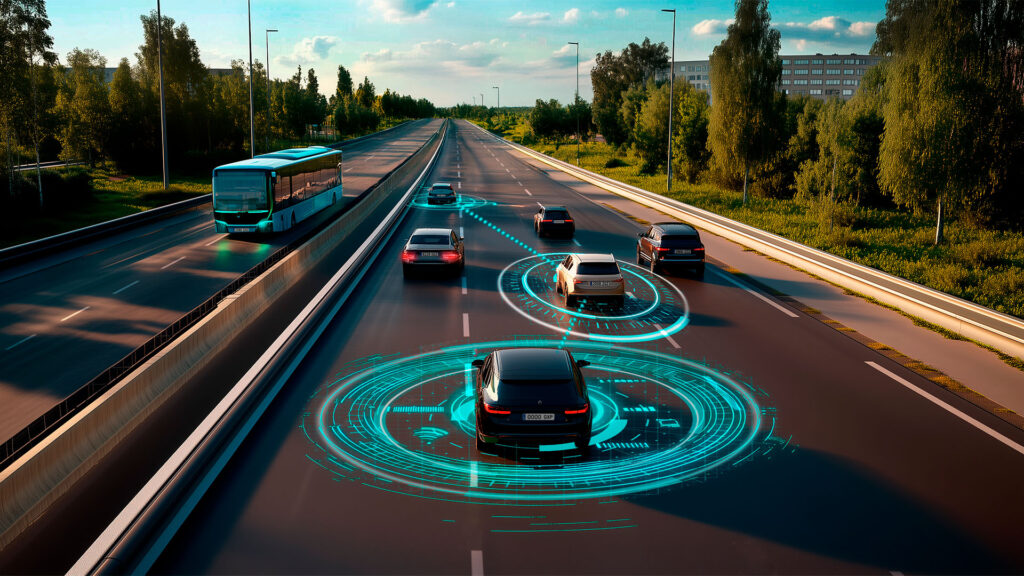
At Global Mobility Call, Indra will also present its Connected and Autonomous Vehicle Platform, a digital core that connects vehicles, infrastructure, operators and authorities.
This platform enables V2X communication (vehicle-to-vehicle, vehicle-to-infrastructure, and vehicle-to-environment), integrating real-time data on traffic conditions, incidents and road environments.
Through data fusion from onboard sensors, smart infrastructure and control centres, the platform supports Advanced Driver Assistance Systems (ADAS) as well as autonomous driving scenarios, enhancing safety and decision-making in complex urban and road environments.
Additional capabilities include:
- Advanced monitoring and analytics tools for mobility operators and public authorities
- Optimisation of fleet management
- Reduction of congestion
- Support for sustainability and road safety policies
Designed with scalability, interoperability and cybersecurity at its core, this solution strengthens Indra’s position as a leading technology partner in smart mobility.
Indra Mobility: a future-ready technology partner
At Global Mobility Call 2026, Indra Mobility reinforces its position as a trusted technology partner for transport authorities and operators. Its offering combines proven expertise, continuous innovation and a strong people-centric vision, contributing to safer, more efficient and more sustainable mobility.
Indra Mobility demonstrates how technology can act as a true enabler of transformation in the cities of tomorrow.
Indra Mobility’s approach is rooted in a clear principle: mobility transformation can only be achieved through a comprehensive, integrated vision. Its solutions therefore combine digital platforms, field equipment and onboard technologies within open, scalable and interoperable architectures.
Recommended for you
Related Articles